
In the ever-evolving landscape of cannabis cultivation, innovation is key to meeting the demands of a growing market while addressing sustainability concerns. Cannatainer – a groundbreaking solution that has been gaining traction within the cannabis industry. By reimagining traditional farming methods and leveraging cutting-edge technology, container farms offer a transformative approach to growing cannabis.
Understanding Cannabis Container Farms
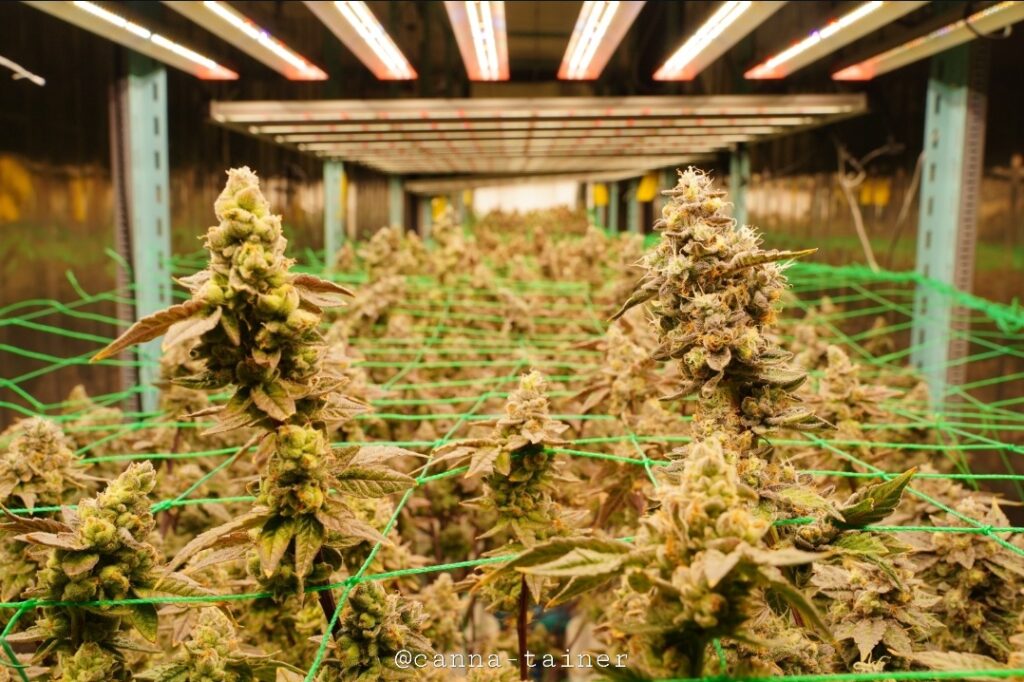
In essence, a cannabis container farm is a self-contained, controlled environment optimized for cultivating cannabis plants. Unlike conventional outdoor or greenhouse setups, container farms are modular units that can be customized and scaled to fit various needs and spaces. These farms typically consist of repurposed shipping containers or purpose-built structures equipped with state-of-the-art systems for lighting, climate control, irrigation, and nutrient delivery.

One of the defining features of container farms is their adaptability. Whether situated in urban environments, remote locations, or areas with limited land availability, container farms offer a flexible solution that can be deployed virtually anywhere. This versatility makes them particularly appealing to cannabis cultivators seeking to optimize space utilization and minimize their environmental footprint.
Components of a typical cannabis container farm include:
- Containers: The building blocks of container farms, these modular units serve as the foundational structure for cultivation. They can range in size from standard shipping containers to custom-built structures, offering scalability to accommodate different production volumes.
- Lighting Systems: Container farms are equipped with advanced lighting systems, such as LED grow lights, designed to mimic the spectrum and intensity of natural sunlight. These lights play a crucial role in supporting photosynthesis and promoting healthy plant growth throughout all stages of the cannabis lifecycle.
- Climate Control: Maintaining optimal environmental conditions is essential for cannabis cultivation. Container farms employ sophisticated climate control systems that regulate temperature, humidity, and airflow to create an ideal growing environment. By controlling these factors, cultivators can achieve consistent yields and mitigate the risk of pests, diseases, and other environmental stressors.
- Irrigation and Nutrient Delivery: Automated irrigation systems ensure that cannabis plants receive the right amount of water and nutrients at the appropriate intervals. This precision irrigation not only conserves resources but also promotes efficient nutrient uptake and root development, leading to healthier plants and higher yields.
In summary, cannabis container farms represent a revolutionary approach to cultivation that combines innovation, efficiency, and sustainability. By harnessing the power of controlled environments and advanced technology, container farms empower cultivators to produce high-quality cannabis year-round, regardless of external factors. As we delve deeper into the world of container farming, we will explore the myriad benefits and opportunities it presents for the cannabis industry.
Advantages of Container Farming for Cannabis
The adoption of container farming within the cannabis industry brings forth a myriad of benefits that contribute to its growing popularity. Below are some key advantages:
Space Efficiency: Container farms excel in maximizing space utilization, making them an ideal solution for urban environments or areas with limited land availability. By stacking containers vertically or arranging them in tight configurations, cultivators can significantly increase their growing capacity without the need for expansive land or real estate. This space-efficient design allows for higher yields per square foot, ultimately optimizing resource allocation and maximizing profitability.
Climate Control: One of the primary advantages of container farming is the ability to create and maintain optimal growing conditions year-round, independent of external weather fluctuations. Advanced climate control systems enable cultivators to regulate temperature, humidity, and airflow with precision, ensuring that cannabis plants thrive in a controlled environment. By eliminating the unpredictability of outdoor growing and the constraints of traditional greenhouse structures, container farms provide a consistent and reliable platform for cultivation, leading to higher yields, superior quality, and increased profitability.
Sustainability: Container farming embodies the principles of sustainability by minimizing resource consumption, reducing environmental impact, and promoting eco-friendly practices. Through the use of efficient irrigation systems, such as drip irrigation or hydroponics, container farms optimize water usage and minimize runoff, conserving this precious resource. Additionally, energy-efficient lighting technologies, such as LED grow lights, reduce electricity consumption while providing the necessary illumination for plant growth. Furthermore, the modular nature of container farms allows for easy integration of renewable energy sources, such as solar panels, further reducing reliance on traditional power grids and lowering carbon emissions. By embracing sustainable cultivation practices, container farms not only benefit the environment but also align with consumer preferences for ethically produced cannabis products.
Scalability and Flexibility: Container farms offer unparalleled scalability and flexibility, allowing cultivators to adapt to changing market demands and scale their operations accordingly. Whether expanding production to meet increasing demand or diversifying product offerings to cater to evolving consumer preferences, container farms provide a versatile platform that can be easily customized and expanded as needed. This scalability enables cultivators to optimize production efficiency, reduce time to market, and capitalize on emerging opportunities in the rapidly evolving cannabis industry. Additionally, the modular design of container farms facilitates rapid deployment and relocation, making them ideal for temporary or seasonal cultivation projects.
Container farming offers a host of advantages that position it as a transformative solution for cannabis cultivation. From space efficiency and climate control to sustainability and scalability, container farms empower cultivators to achieve higher yields, superior quality, and greater profitability in a controlled and sustainable manner. As the cannabis industry continues to evolve, container farming will play an increasingly integral role in meeting the growing demand for high-quality cannabis products while advancing the principles of sustainability and innovation.
Implementing a Cannabis Container Farm
Now that we’ve explored the benefits of container farming for cannabis cultivation, let’s delve into the practical aspects of implementing a container farm:
Planning and Design: The successful implementation of a cannabis container farm begins with careful planning and thoughtful design. Key considerations include site selection, layout optimization, and infrastructure planning. When selecting a site for the container farm, factors such as access to utilities (water, electricity), proximity to markets, and zoning regulations should be taken into account. Once a suitable location is identified, the layout of the container farm must be carefully planned to maximize space utilization, optimize workflow efficiency, and ensure optimal environmental conditions for plant growth. This may involve considerations such as the orientation of containers, placement of equipment (e.g., lighting, HVAC systems), and integration of support facilities (e.g., storage, processing areas).
Technology Integration: Central to the success of a cannabis container farm is the integration of advanced technology and automation systems. These technologies play a crucial role in optimizing cultivation practices, enhancing productivity, and ensuring consistent quality. Key technologies to consider include:
- Automated climate control systems: These systems regulate temperature, humidity, and airflow within the container farm to create optimal growing conditions for cannabis plants.
- Precision irrigation systems: Automated irrigation systems deliver water and nutrients to plants with precision, minimizing waste and ensuring uniform distribution.
- LED grow lights: Energy-efficient LED grow lights provide the necessary spectrum and intensity of light for photosynthesis, promoting healthy growth and maximizing yield.
- Environmental monitoring sensors: Sensors monitor key environmental parameters such as temperature, humidity, CO2 levels, and nutrient concentrations, allowing cultivators to make data-driven decisions and optimize growing conditions.
- Integrated management software: Comprehensive management software enables cultivators to monitor and control all aspects of the container farm operation remotely, streamlining workflow management, and facilitating real-time decision-making.
Regulatory Compliance: As with any cannabis cultivation operation, compliance with regulatory requirements is paramount. Before establishing a container farm, cultivators must familiarize themselves with local, state, and federal regulations governing cannabis cultivation, processing, and distribution. This may include obtaining permits, licenses, and approvals from regulatory agencies, adhering to strict security protocols, and implementing robust record-keeping practices to ensure compliance with all applicable laws and regulations.
Training and Education: The successful operation of a cannabis container farm requires a skilled and knowledgeable workforce. Cultivators should invest in training and education programs to ensure that employees have the necessary skills and expertise to operate the container farm effectively. This may involve providing training on cultivation techniques, equipment operation, safety protocols, and regulatory compliance.
Implementing a cannabis container farm requires careful planning, strategic decision-making, and a commitment to leveraging advanced technology and best practices. By integrating cutting-edge technology, adhering to regulatory requirements, and investing in employee training, cultivators can establish a container farm that is efficient, productive, and compliant with industry standards. As container farming continues to gain momentum in the cannabis industry, cultivators who embrace this innovative approach will be well-positioned to thrive in the competitive marketplace.
Future Trends and Opportunities
As the cannabis industry continues to evolve, container farming is poised to play a pivotal role in shaping its future. Here are some emerging trends and opportunities in the realm of cannabis container farming:
Vertical Integration: With advancements in technology and design, container farms are increasingly incorporating vertical farming techniques to maximize space utilization and increase production capacity. Vertical integration allows cultivators to stack containers vertically, creating multi-tiered growing environments that significantly increase yield potential without expanding horizontally.
Automation and Robotics: The integration of automation and robotics is revolutionizing the way cannabis is cultivated in container farms. Automated systems for planting, harvesting, and maintenance tasks streamline operations, reduce labor costs, and improve efficiency. Robotics also enable precise control over cultivation parameters, leading to higher yields, better quality, and increased consistency.
Data Analytics and AI: Data analytics and artificial intelligence (AI) are being utilized to optimize cultivation practices and maximize crop performance in container farms. By analyzing data on environmental conditions, plant health, and growth patterns, AI algorithms can identify trends, predict outcomes, and recommend adjustments to optimize yield and quality. This data-driven approach empowers cultivators to make informed decisions and continuously improve their cultivation techniques.
Remote Monitoring and Control: Remote monitoring and control systems allow cultivators to oversee container farm operations from anywhere in the world. Through the use of sensors, cameras, and IoT devices, growers can monitor environmental conditions, automate irrigation and nutrient delivery, and adjust cultivation parameters in real-time. This level of remote accessibility enhances operational efficiency, reduces the risk of human error, and provides peace of mind to cultivators.
Sustainable Practices: Sustainability is becoming increasingly important in the cannabis industry, and container farming offers numerous opportunities to implement eco-friendly practices. From renewable energy sources and water recycling systems to organic cultivation methods and composting initiatives, container farms can minimize environmental impact while maximizing resource efficiency. Cultivators are also exploring innovative solutions such as carbon capture technology and regenerative agriculture techniques to further enhance sustainability in container farming operations.
Market Expansion: The adoption of container farming is expanding beyond traditional cannabis-producing regions to encompass new markets and demographics. Container farms offer a scalable and adaptable solution that can be deployed in diverse environments, including urban centers, remote areas, and regions with limited agricultural infrastructure. As legalization efforts continue worldwide and consumer demand for high-quality cannabis grows, container farming presents a viable option for cultivators looking to enter or expand their presence in the market.
The future of cannabis container farming is bright, driven by innovation, sustainability, and a commitment to excellence. By embracing emerging trends and leveraging advanced technologies, cultivators can unlock new opportunities for growth, efficiency, and profitability in the dynamic cannabis industry. As container farming continues to evolve and mature, it will undoubtedly play a central role in shaping the future of cannabis cultivation for years to come.